Writer: Christopher Jan Dumaguin
Researcher: Christopher Jan Dumaguin
Graphics: Jia Moral
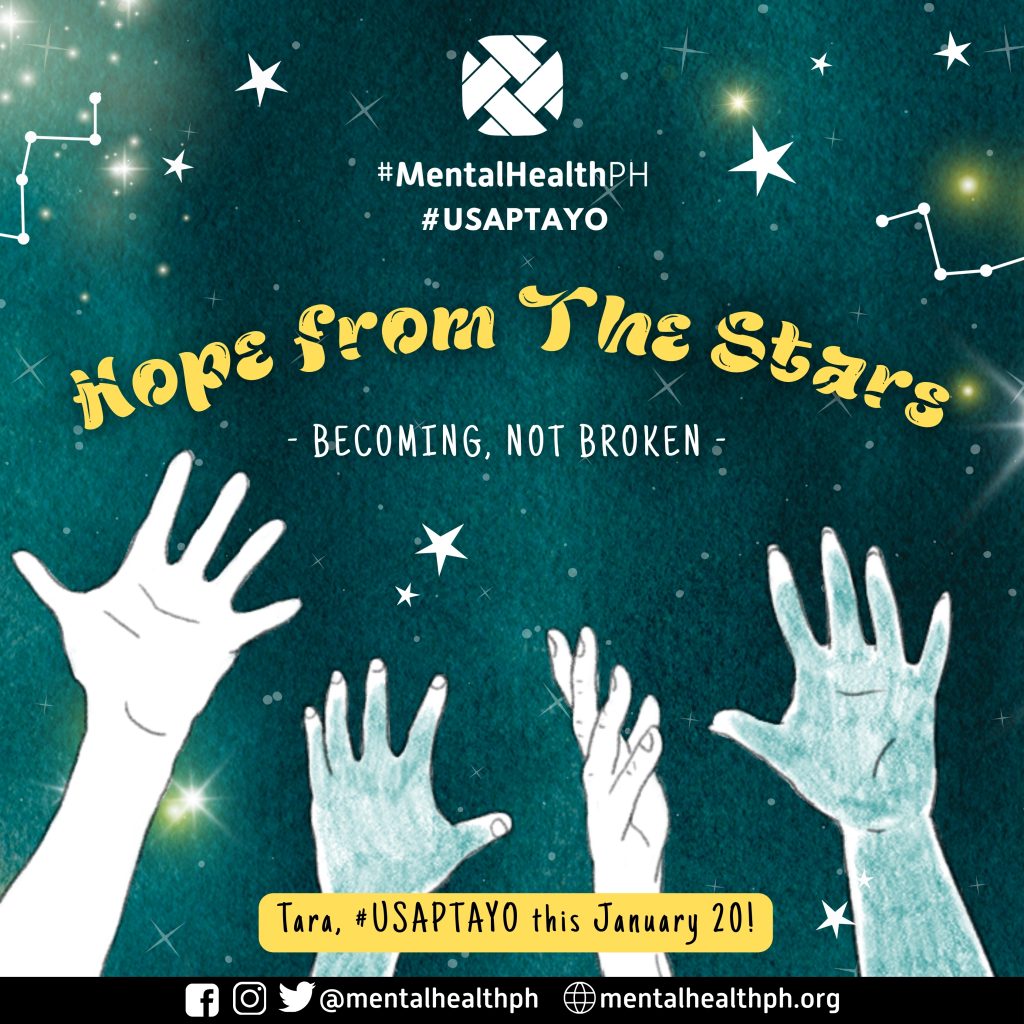
The Quiet Moment of Looking Up
There comes a time when life pauses — not because everything is resolved, but because we are finally tired of running from ourselves. In that stillness, we find our gaze lifting toward the night sky. The stars become silent witnesses to our thoughts, holding space for questions we have long avoided.
In their presence, we begin to see ourselves clearly. Not as who we were expected to be, but as who we truly are — flawed, learning, and deeply human. This moment of self-realization is not harsh; it is honest. We recognize how often we chased approval, mistook endurance for strength, and ignored our own needs in the name of survival.
The stars remind us that clarity does not demand perfection. It only asks for truth.
Facing the Self We Once Were
Self-realization leads us to memories we would rather forget. The choices that haunt us. The words left unsaid. The moments when fear spoke louder than courage. It is tempting to judge our past selves with the wisdom we have now — but that judgment only deepens the wound.
Looking inward, we begin to understand that every version of us was trying to survive something. We acted with the knowledge, tools, and emotional capacity we had at the time. What once felt like failure slowly reveals itself as growth in disguise.
Here, the stars teach us compassion. They have watched generations rise and fall, yet they continue to shine without resentment. In the same way, we learn that our past does not disqualify us from peace. It prepares us for it.
The Gentle Act of Self-Forgiveness
Self-forgiveness is not an instant decision — it is a practice. It is choosing, again and again, to release shame and replace it with understanding. Forgiveness does not excuse our mistakes; it allows us to move forward without carrying their weight.
Research by Skalski-Bednarz et al. (2024) situate self-forgiveness as a key protective factor against stress and maladaptive coping behaviors. Their findings highlight how forgiveness—particularly self-directed forgiveness—supports flourishing by reducing the psychological burden of guilt and shame, allowing individuals to reframe past transgressions as opportunities for growth rather than permanent sources of self-condemnation. [1]
Similarly, Ong et al. (2023) examine self-forgiveness in the aftermath of personal wrongdoing and demonstrate its transformative capacity to promote self-improvement motivation. Their work underscores that genuine self-forgiveness is not passive absolution, but an active, reflective process that fosters accountability while preventing moral disengagement and destructive self-judgment. [2]
Complementing these perspectives, a 2024 systematic review published in BMC Psychology consolidates evidence from multiple intervention studies, concluding that self-forgiveness significantly enhances psychological health, emotional regulation, and overall well-being. The review affirms that guided self-forgiveness practices help individuals integrate self-realization with emotional acceptance, thereby supporting long-term healing and personal coherence. [3]
Under the stars, we allow ourselves to grieve what could have been while honoring what still can be. We forgive ourselves for not knowing sooner, for loving imperfectly, for staying too long or leaving too early. In doing so, we reclaim our ability to hope.
Hope, like starlight, may travel slowly — but it always arrives.
Becoming the Light We Once Sought
As we forgive ourselves, something shifts. The stars no longer feel distant; they feel reflective. We realize that the light we admired above was always meant to awaken the light within. Self-realization becomes self-trust. Forgiveness becomes freedom.
We move forward with softer hearts and steadier steps, knowing that healing does not erase our story — it completes it. We no longer look to the stars for answers, but for reassurance. That even in darkness, we are capable of becoming luminous.
Hope from the Stars is a reminder that growth is not loud. It is quiet, patient, and deeply personal. And in choosing to understand and forgive ourselves, we become the hope we once searched for in the sky.

Session Questions:
- Have I learned to forgive myself for who I was while still holding myself accountable for who I am becoming?
- Why does society demand growth from people but rarely allow them the grace to change?
- How can our communities become safer spaces where healing is encouraged rather than judged?
References:
- Skalski-Bednarz, S et al. 2024. Pathways to Flourishing: The Roles of Self- and Divine Forgiveness in Mitigating the Adverse Effects of Stress and Substance Use among Adults in Trinidad and Tobago Religions. Retrieved at: https://www.mdpi.com
- Ong, M. et al. 2023. The transforming power of self-forgiveness in the aftermath of transgressions: self-improvement motivation and moral disengagement. Retrieved at: https://www.sciencedirect.com
- Vismaya, A. et al. 2024. Psychological interventions to promote self-forgiveness: systematic review showing that self-forgiveness enhances psychological health and well-being. BMC Psychology. Retrieved at: https://link.springer.com