10 October 2026
Writer and Researcher: Tobey Fhar Isaac B. Calayo
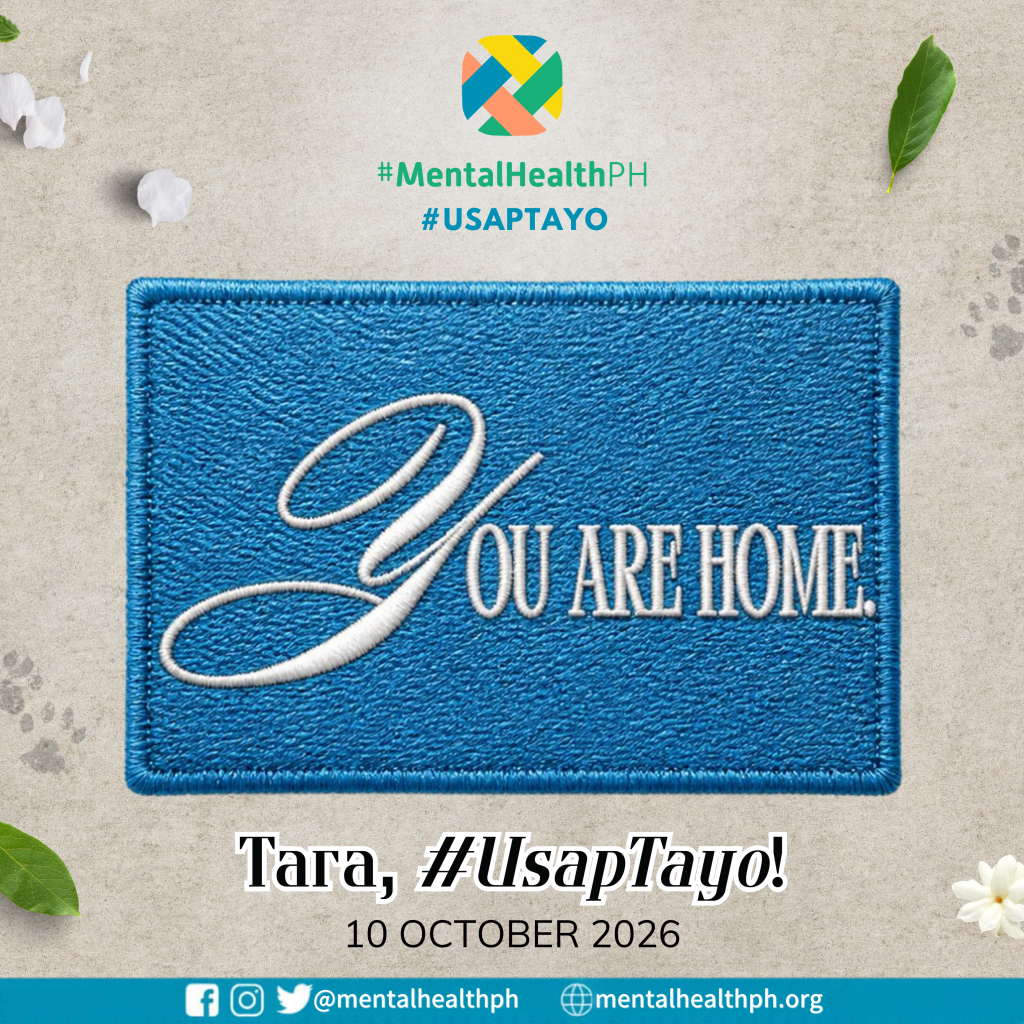
A safe space is tested when someone says, “I’m struggling.” For a young person, the response can make it easier to ask for help or teach them to stay silent. Someone may be met with patience. Someone else may hear that they are being dramatic, ungrateful, or too sensitive. The invitation to speak means little if honesty comes with humiliation. This World Mental Health Day, MentalHealthPH’s “You Are Home: Creating Safe Spaces for Every Story” asks us to consider what happens after a young person opens up.
The World Health Organization estimates that, globally, around one in seven adolescents aged 10 to 19 experiences a mental disorder. It identifies supportive environments at home, in school, and in the wider community as important to adolescent mental health, and notes that stigma can affect readiness to seek help.
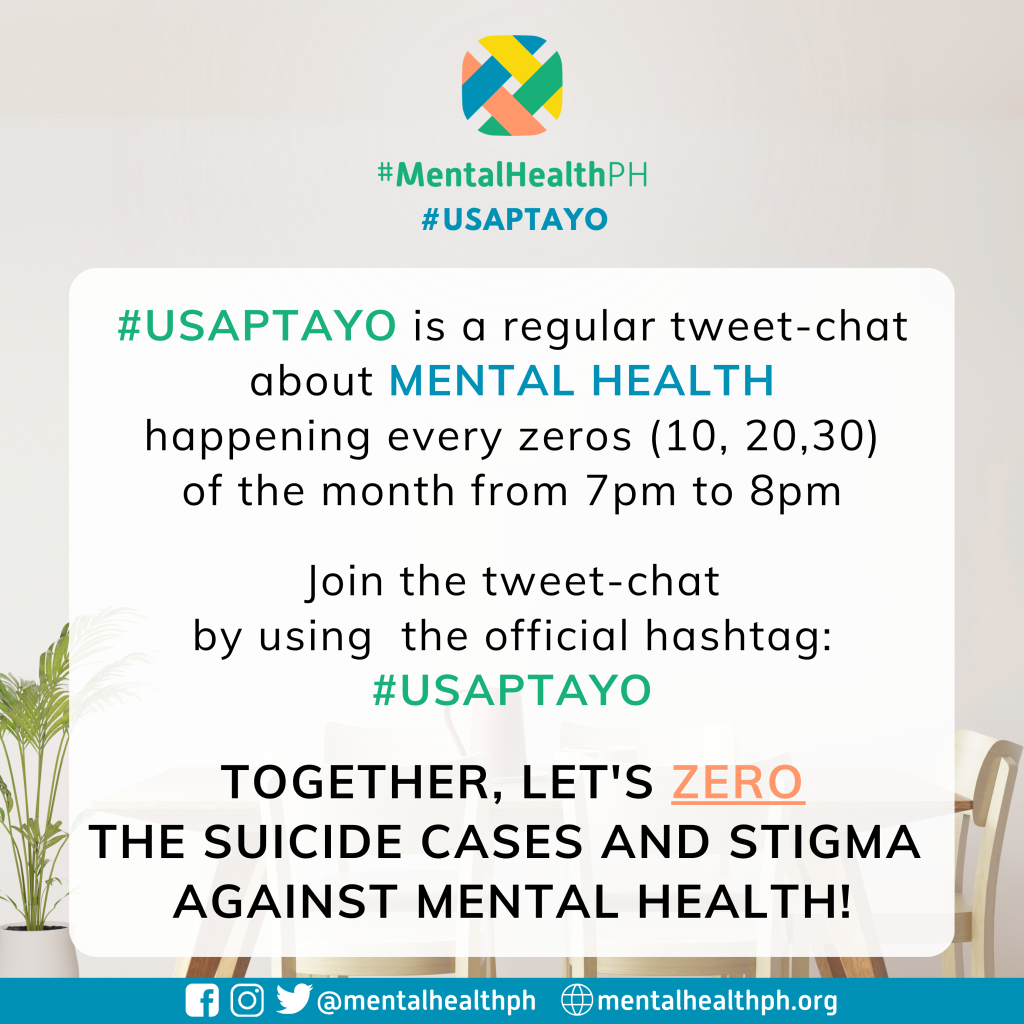
Those environments take shape in ordinary encounters. A conversation at the dinner table, a teacher’s response to a struggling student, or the first visit to a health center can show whether support is available. Through #UsapTayo, we examine the choices that make these encounters safer and the services needed to make care accessible.
Feeling safe enough to speak
For someone trying to explain their distress, finding the words can be difficult. They may worry about disappointing a parent or becoming the subject of gossip. They may know what is troubling them but be unsure how to ask for help. In those moments, having someone who takes the concern seriously can make the conversation possible. We should make room for an unfinished explanation, including a simple “I don’t know what I need yet.”
Young people should also have a say in how much they share and with whom. An invitation to tell a story should leave room to decline, pause, or speak privately. A campaign can welcome lived experiences while respecting people who choose to listen. Access to support should never depend on someone making their pain public or presenting a story that others find inspiring.
For a young person whose household feels unsafe, the question of belonging may begin by identifying a trustworthy person elsewhere: a relative, a teacher, a school counselor, or another adult who can help. Asking for support should allow them to describe what would make the next step manageable. The responsibility for responding with care belongs to the adults and institutions they approach.
Building trust with the adults around us
For parents, guardians, and other trusted adults, the first task is to understand what the young person is trying to say. Advice offered too quickly can leave the concern unexplored. A useful response may begin with thanking them for speaking, asking what has been happening, and finding out what kind of help they want. The adult may need time to understand, but can still respond respectfully while learning.
Trust also depends on what happens after the conversation. A disclosure should be handled with discretion, and help should be arranged with the young person’s participation as far as possible. Household habits deserve attention: teasing someone about an insecurity, comparing siblings, or using a private disclosure in a later argument can make it harder to speak honestly. Adults can examine these habits and acknowledge harm when it occurs. An apology becomes meaningful when the behavior changes.
Care can take practical forms. An adult can help arrange an appointment, accompany a young person who wants support, or check in again after a difficult week. Families also need reliable information and somewhere to turn when a concern exceeds what they can manage at home. A parent’s willingness to help must be matched by the services available to them. Young people should have more than one possible source of support.
Making care accessible in the community
A young person can find the courage to ask for help and still encounter an appointment they cannot afford or a service too far away. These are problems that institutions must address. WHO’s guidance on mental health services for children and young people encourages countries to strengthen and adapt services at the community level, while recognizing that the appropriate organization of care depends on the local context.
Community support should connect people with appropriate professional care when they need it. Schools and local governments can make referral routes understandable, provide clear information about costs, and help people navigate services. A welcoming first conversation should lead to the next realistically available step. Making care accessible requires attention to staffing, funding, and continuity, as well as the relationships that encourage people to seek help.
In the Philippines, Republic Act No. 12080, the Basic Education Mental Health and Well-Being Promotion Act, provides for school-based mental health programs, school division mental health and well-being offices, and care centers. These provisions give the call for safer schools a concrete institutional basis. Their implementation should be assessed through the support learners can actually access when they need it.
Young people should participate in shaping that support. WHO’s framework for meaningful engagement calls for people with lived experience to help co-create policies, programs, and services. In schools and communities, this can mean involving young people in reviewing how referrals work, identifying barriers, and evaluating whether a program meets their needs. Participation should give them a clear route into decisions, with an explanation of what changed and why.
The work of creating safety is shared, but responsibilities differ. Families can build trust in everyday relationships. Schools can organize support and protect learners from discrimination. Governments must make the resources and services available. Listening to young people helps each of these groups understand where their responses need improvement.
“You Are Home” invites us to carry this work into the places where young people live and learn. Its promise becomes credible through repeated experience: a concern taken seriously, a private conversation handled carefully, or an agreed follow-up that happens. The next time a young person says, “I’m struggling,” our response should make it easier for them to return. And there should be care available when they do.
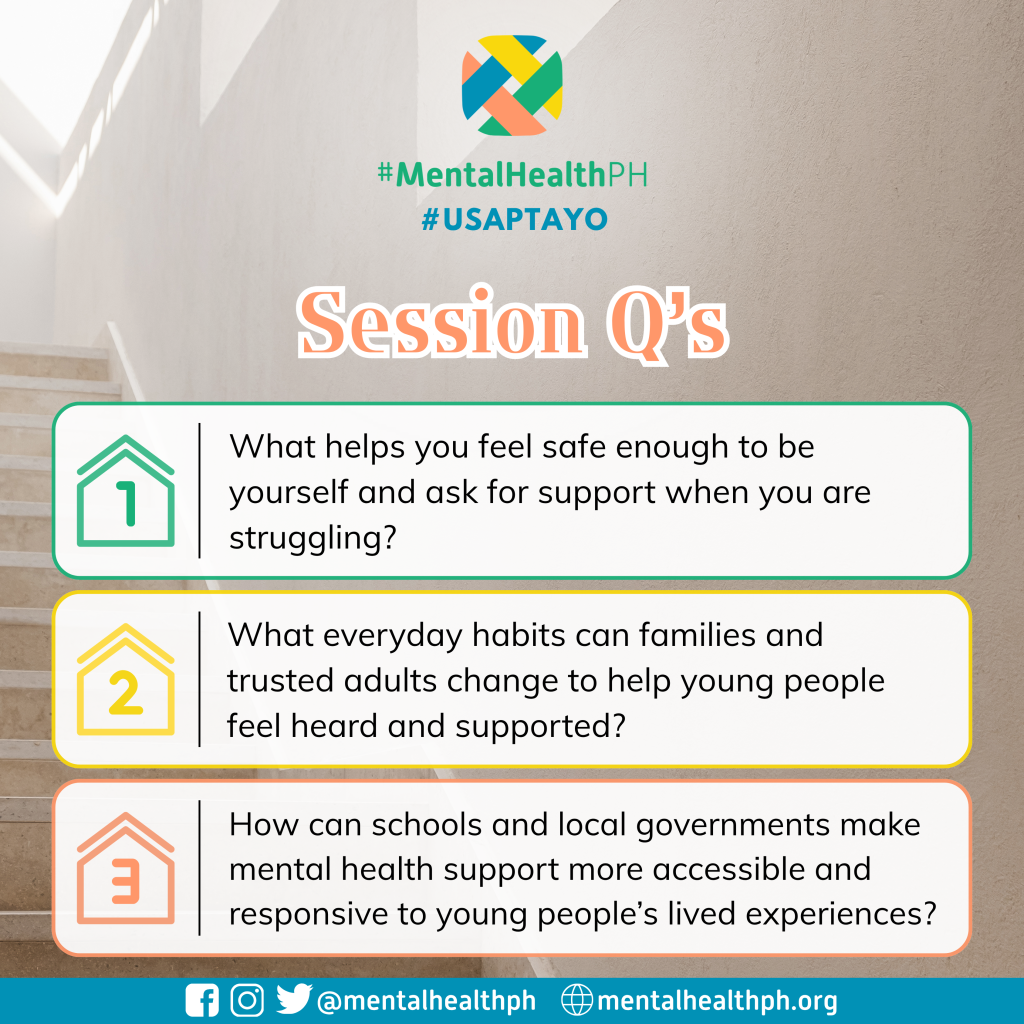
Guide questions
- Self: What helps you feel safe enough to be yourself and ask for support when you are struggling?
- Society: What everyday habits can families and trusted adults change to help young people feel heard and supported?
- System: How can schools and local governments make mental health support more accessible and responsive to young people’s lived experiences?
References
- MentalHealthPH. (2026). You Are Home: Creating Safe Spaces for Every Story — Campaign brief.
- World Health Organization. (2025, September 1). Mental health of adolescents.
- World Health Organization. (2023). WHO framework for meaningful engagement of people living with noncommunicable diseases, and mental health and neurological conditions.
- World Health Organization. (2024). Mental health of children and young people: Service guidance.
- Republic of the Philippines. (2024). Republic Act No. 12080: Basic Education Mental Health and Well-Being Promotion Act.