20 Jult 2025
As the clouds darken and the rains begin to fall, the world around us shifts—temperatures drop, streets shimmer with puddles, and the air takes on a damp chill. While the rainy season brings a refreshing respite from summer heat and the soothing sound of raindrops can calm the mind, it also brings a host of challenges: fluctuating moods, weakened immunity, skin issues, and disrupted routines. This makes it crucial to adopt self-care practices tailored specifically for the season. Embracing rainy season self-care helps maintain not only physical health, but also mental and emotional well-being.
1. Boosting Immunity Through Nutrition
The damp weather provides a perfect environment for bacteria, viruses, and molds to thrive, making people more susceptible to flu, colds, and digestive issues. Strengthening the immune system becomes essential during this season.
Consuming warm, nutrient-rich meals with immunity-boosting ingredients is a good start. Ginger, garlic, turmeric, and black pepper—commonly used in many Asian households—are known for their antiviral and anti-inflammatory properties (Akram et al., 2018). Vitamin C-rich foods like oranges, guavas, and leafy greens help fight infections. Staying hydrated is equally important, though people often forget to drink enough water when it’s not hot outside. Herbal teas, warm broths, and lemon water can help meet fluid needs while also soothing the body.
2. Prioritizing Skin and Hair Care
Humidity and dampness can lead to clogged pores, breakouts, and fungal infections. During the rainy season, the skin tends to swing between extremes—too oily or too dry—depending on individual skin types.
Switching to lighter, non-comedogenic moisturizers helps maintain hydration without clogging pores. Regular exfoliation (about once a week) keeps dead skin cells at bay. For those prone to fungal infections, antifungal powders and wearing breathable, dry clothes are key preventive measures (Rajagopal & Thomas, 2021).
Hair, too, suffers in the rain—becoming frizzy, greasy, or limp. Washing hair with a mild shampoo at least twice a week and avoiding heavy oils can help maintain scalp health. Letting the hair dry naturally indoors is preferable to stepping out with wet hair, which increases the risk of catching a cold.
3. Mental and Emotional Well-Being
Rainy days often bring about changes in mood. Reduced sunlight and limited outdoor movement can trigger feelings of isolation, sadness, or lethargy—sometimes associated with seasonal affective disorder (SAD) (Melrose, 2015). Combatting this requires intentional efforts to stay mentally balanced.
Creating cozy indoor spaces with warm lighting, calming scents (like lavender or eucalyptus), and comforting items (like books or blankets) helps. Journaling, meditation, or practicing mindfulness can improve mood and focus. Listening to uplifting music or engaging in creative hobbies like painting, cooking, or crafting can help keep the spirits high.
It’s also helpful to maintain social contact, even if virtually. A quick video call with friends or family, or participating in online group activities like yoga or book clubs, can offset feelings of loneliness.
4. Staying Active Indoors
Physical movement tends to decrease during rainy months due to limited access to outdoor spaces. However, a sedentary lifestyle can lead to stiffness, weight gain, or reduced energy levels. Indoor workouts—such as yoga, bodyweight exercises, or dancing—can help maintain fitness. Even a 15- to 30-minute routine each day supports circulation, digestion, and mood regulation.
Apps and online classes make it easy to access guided workouts at home. Choosing fun, achievable goals (like learning a new dance or building strength) makes it easier to stay consistent.
5. Rain-Ready Wardrobe and Hygiene Practices
The rainy season demands a functional wardrobe. Waterproof jackets, umbrellas, quick-drying clothes, and water-resistant footwear can help keep the body warm and dry. Changing out of wet clothes promptly prevents colds and skin irritation.
Since the rainy season often increases the risk of fungal infections, regular hygiene is crucial. This includes washing feet thoroughly, drying them before putting on socks, and changing clothes after getting drenched. Keeping nails trimmed and clean reduces the risk of harboring bacteria.
6. Home Environment and Cleanliness
A clean, dry home is essential during the rainy season. Damp corners, poor ventilation, and standing water can attract mold, mosquitoes, and bacteria. Ensuring good air circulation, using dehumidifiers or camphor to reduce dampness, and frequently cleaning surfaces helps create a healthy environment.
Burning natural insect repellents or using citronella candles can ward off mosquitoes and other pests. Regular disposal of garbage and checking for water accumulation in plant pots or gutters are also important preventive steps.
Self-care during the rainy season is about balance—protecting oneself from external risks while nurturing inner calm. With thoughtful routines, the rainy season can transform from a time of discomfort to an opportunity for rest, renewal, and intentional living. As the rain washes the world clean, we too can take steps to refresh our bodies and minds.
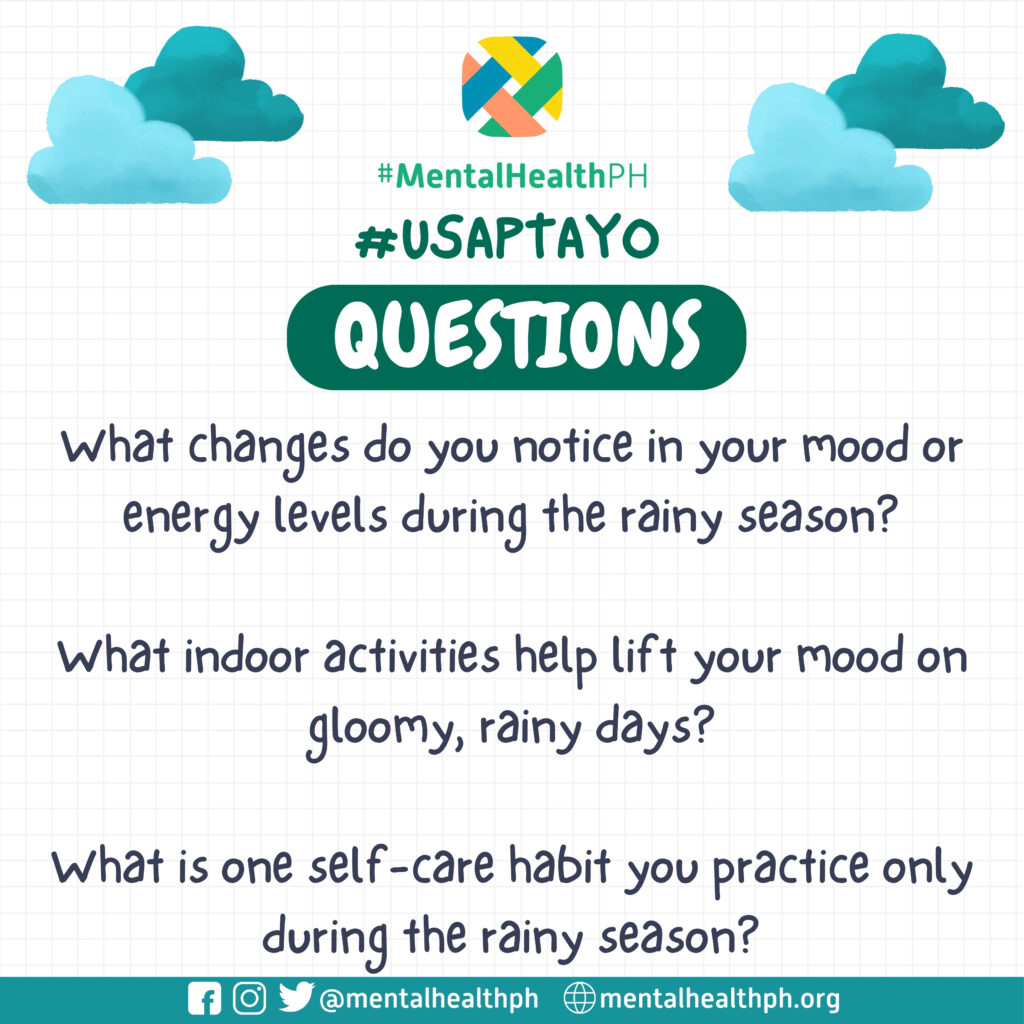
Questions:
- What changes do you notice in your mood or energy levels during the rainy season?
- What indoor activities help lift your mood on gloomy, rainy days?
- What is one self-care habit you practice only during the rainy season?
References:
-
Akram, M., Shahab-Uddin, A., Afzal, M., et al. (2018). Curcuma longa and curcumin: a review article. Romanian Journal of Biology – Plant Biology, 63(1), 137–145.
-
Melrose, S. (2015). Seasonal Affective Disorder: An Overview of Assessment and Treatment Approaches. Depression Research and Treatment, 2015. https://doi.org/10.1155/2015/178564
-
Rajagopal, A., & Thomas, L. (2021). A Review on Common Fungal Infections in Rainy Season. International Journal of Current Medical and Pharmaceutical Research, 7(5), 4559–4562.