Stress Awareness Month 2026
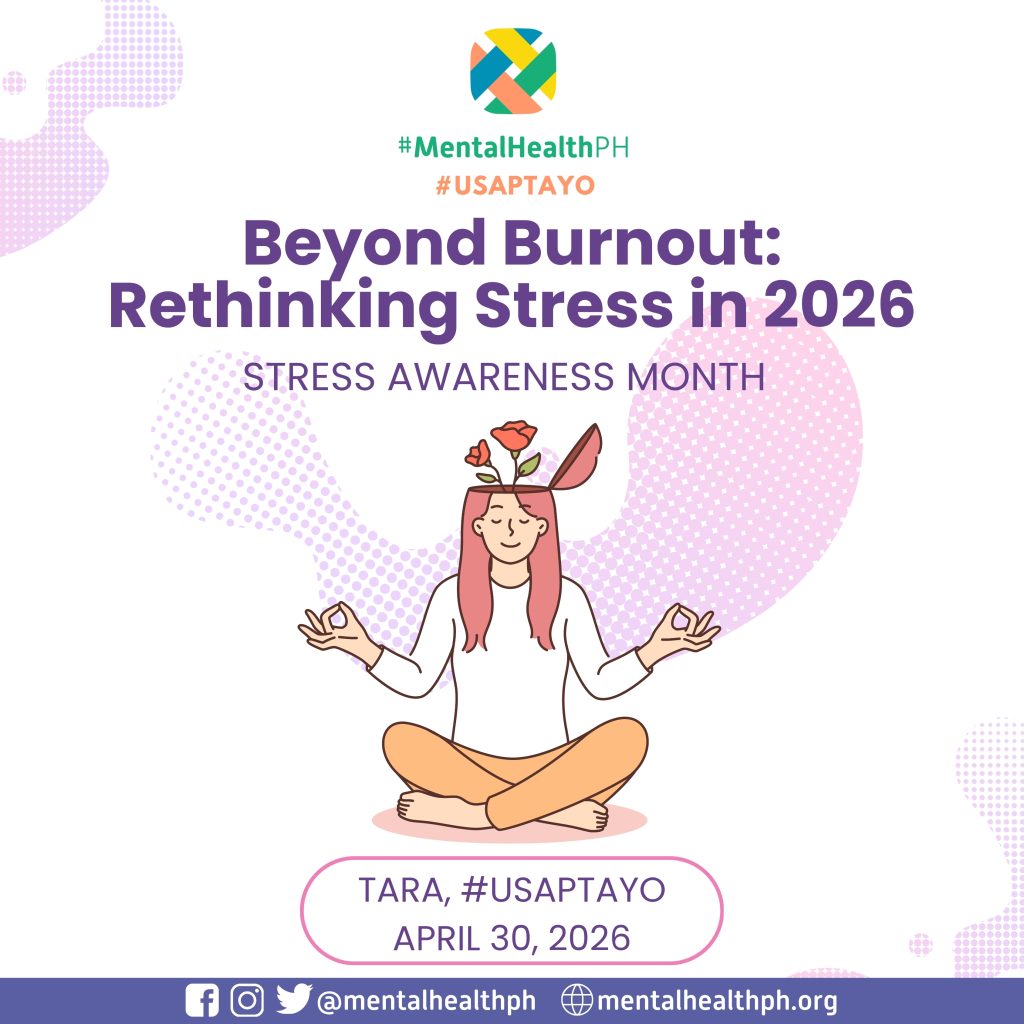
Every April, Stress Awareness Month calls attention to one of the most pervasive yet often overlooked public health concerns: stress. In 2026, the urgency of this conversation continues to grow as individuals navigate increasing demands from work, school, family, and an always-connected digital environment. While stress is a natural physiological response, chronic and unmanaged stress can have serious consequences for both mental and physical health.
Stress, in its basic form, is the body’s reaction to perceived challenges or threats. Short-term stress can be beneficial, improving alertness and performance. However, prolonged exposure to stress—often referred to as chronic stress—can lead to burnout, anxiety, depression, and physical health problems such as cardiovascular disease and weakened immune functioning (American Psychological Association [APA], 2023). The World Health Organization (WHO) further recognizes burnout as an occupational phenomenon resulting from chronic workplace stress that has not been successfully managed (World Health Organization, 2019).
In the Philippine context, stress is often shaped by multiple overlapping pressures. Economic instability, job insecurity, academic expectations, and family responsibilities create a cumulative burden for many individuals. Additionally, frequent exposure to natural disasters and societal disruptions adds another layer of psychological strain. Despite these realities, stress is often normalized, with individuals expected to endure and adapt without adequate support. This normalization can delay help-seeking and increase the risk of more serious mental health conditions.
Recognizing the signs of stress is a critical first step. Common symptoms include irritability, fatigue, difficulty concentrating, sleep disturbances, and physical tension. Emotional indicators such as anxiety, feeling overwhelmed, and loss of motivation are also significant. When left unaddressed, these symptoms can interfere with daily functioning and overall quality of life (APA, 2023).
Effective stress management requires both individual and systemic approaches. At the individual level, evidence-based strategies such as regular physical activity, sufficient sleep, and mindfulness practices have been shown to reduce stress and improve emotional regulation (Centers for Disease Control and Prevention [CDC], 2022). Maintaining strong social connections is equally important. Social support acts as a protective factor, helping individuals cope with stress and build resilience during challenging times (Taylor, 2011).
However, focusing solely on individual coping can overlook the broader systems that contribute to stress. Workplaces, schools, and communities play a crucial role in shaping mental health outcomes. Organizations that promote reasonable workloads, psychological safety, and access to mental health services create environments that mitigate stress rather than amplify it. Similarly, educational institutions that prioritize student well-being alongside academic performance can help reduce stress among young people.
At the community level, open conversations about stress are essential. Initiatives that encourage dialogue—such as community forums, awareness campaigns, and peer support networks—can reduce stigma and foster a culture of care. When individuals feel safe discussing their experiences, they are more likely to seek help early and support others in return.
Ultimately, Stress Awareness Month 2026 is a reminder that while stress may be unavoidable, suffering in silence is not. Moving beyond awareness means taking actionable steps to manage stress and advocating for systems that support well-being. By combining personal strategies with collective responsibility, we can create environments where individuals are not only able to cope—but to thrive.
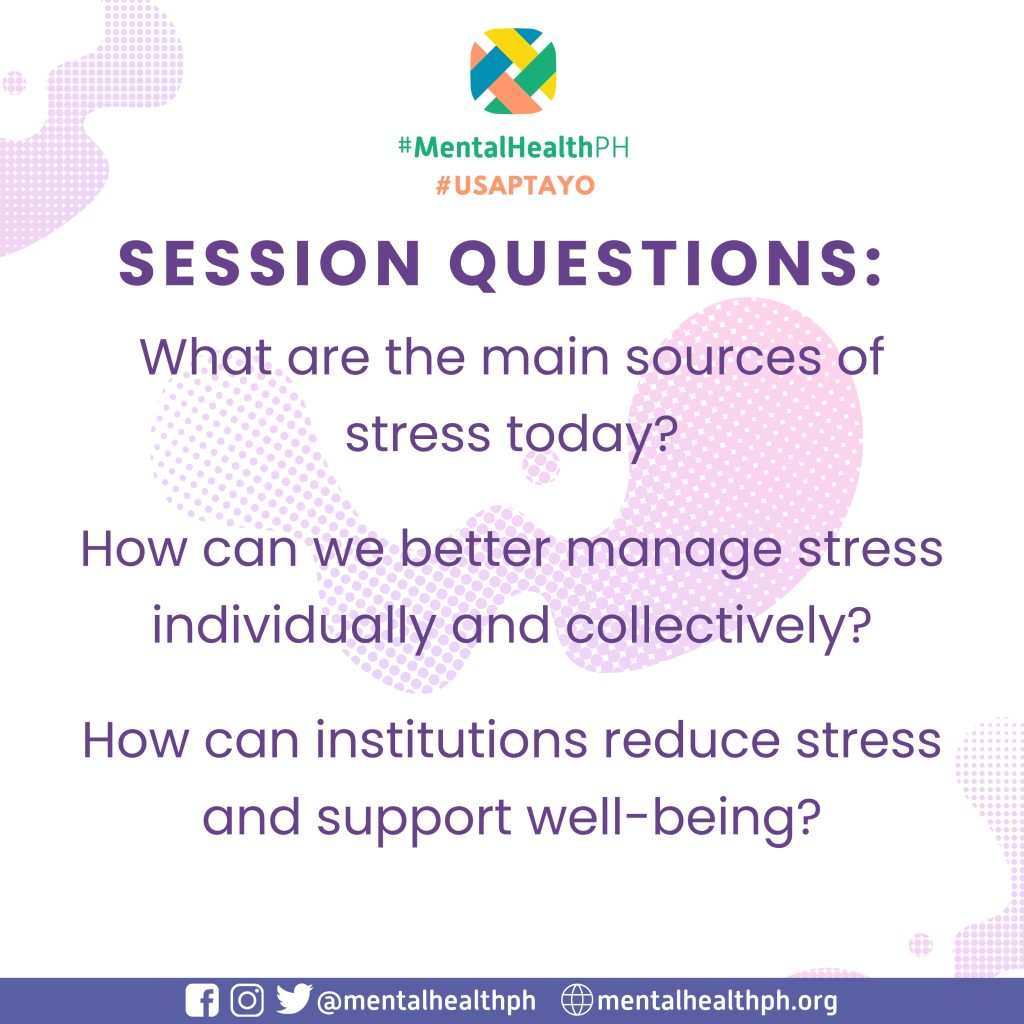
Questions:
- What are the main sources of stress today?
- How can we better manage stress individually and collectively?
- How can institutions reduce stress and support well-being?
References:
American Psychological Association. (2023). Stress effects on the body. https://www.apa.org/topics/stress/body
Centers for Disease Control and Prevention. (2022). Coping with stress. https://www.cdc.gov/mentalhealth/stress-coping
Taylor, S. E. (2011). Social support: A review. In H. S. Friedman (Ed.), The Oxford handbook of health psychology (pp. 189–214). Oxford University Press.
World Health Organization. (2019). Burn-out an “occupational phenomenon”: International classification of diseases. https://www.who.int/news/item/28-05-2019-burn-out-an-occupational-phenomenon-international-classification-of-diseases