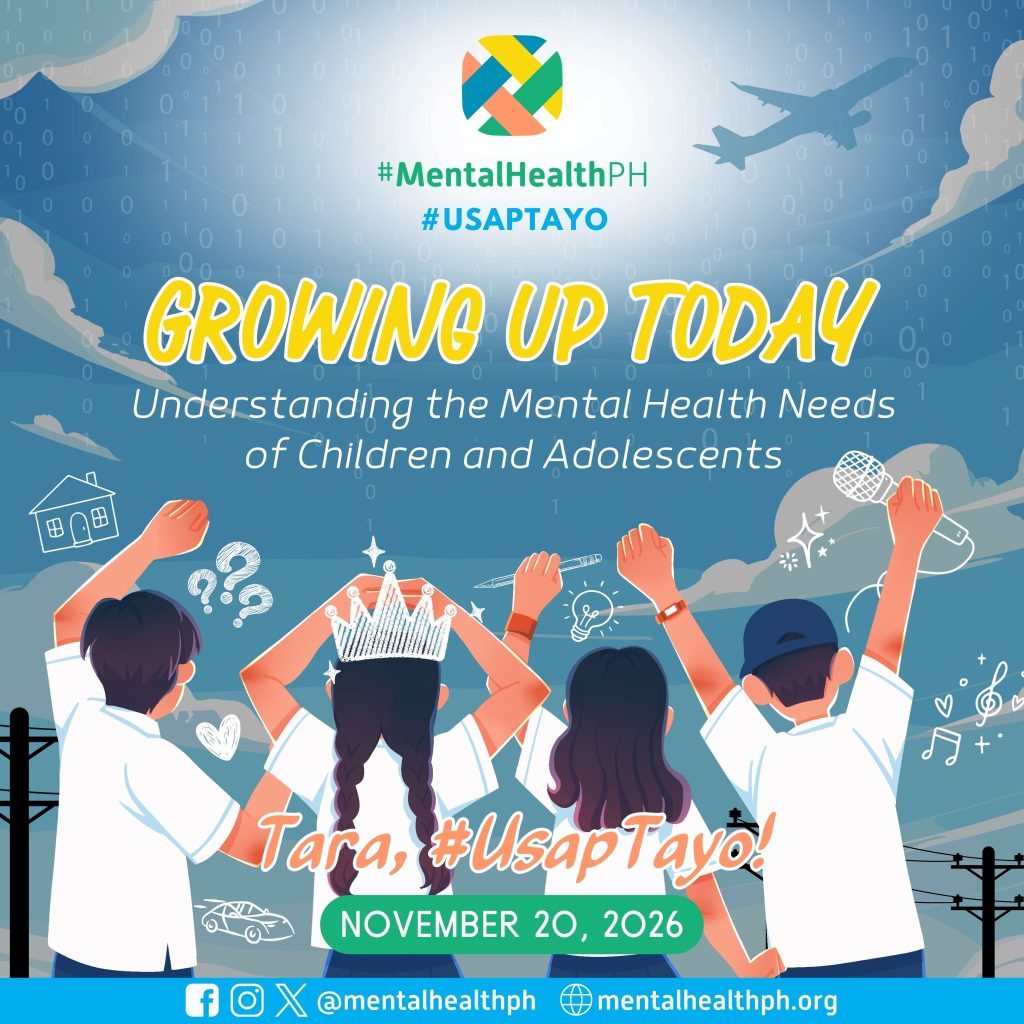
November 20, 2026
Graphics: Jia Moral
Moderator: Ian Stephen Velez
Growing up has never been without challenges. However, children and adolescents today are navigating an increasingly complex world shaped by academic expectations, digital technology, changing family dynamics, and social pressures. While childhood and adolescence are often associated with discovery, learning, and new experiences, these stages of life can also bring emotional difficulties that are not always recognized or understood by adults.
Mental health is an essential part of a child’s overall development. It influences how young people think, feel, build relationships, cope with challenges, and make decisions. Yet, emotional struggles among children and adolescents are sometimes dismissed as ordinary growing pains, mood swings, or attention-seeking behavior. Recognizing their experiences requires adults to look beyond outward behavior and understand what young people may be going through.
One significant concern is bullying, whether it happens in classrooms, communities, or online spaces. Repeated teasing, exclusion, intimidation, and cyberbullying can affect a young person’s confidence, sense of belonging, and emotional well-being. For some, the fear of being targeted may make school or social environments feel unsafe. Bullying should never be treated as a normal part of growing up. Children need to know that their experiences matter and that adults will take their concerns seriously.
Academic pressure is another source of stress. Expectations to achieve high grades, perform well in examinations, and meet the standards set by parents, teachers, and peers can become overwhelming. When a child’s worth is measured primarily through academic performance, mistakes may be perceived as failures rather than opportunities to learn. Encouraging effort, curiosity, and personal growth helps young people understand that their value extends beyond grades and achievements.
Social media also plays an important role in shaping how children and adolescents see themselves and the world. Digital platforms can provide opportunities for learning, creativity, and connection, but they can also expose young people to cyberbullying, unrealistic standards, harmful content, and constant social comparison. Rather than simply prohibiting technology, parents and educators can guide responsible digital habits, encourage critical thinking, and maintain open conversations about online experiences.
Family relationships are equally important. A supportive home environment can provide security, acceptance, and reassurance during difficult moments. However, conflict, communication gaps, unrealistic expectations, or the absence of emotional support may make it harder for children to express what they feel. Listening without judgment, validating emotions, and spending meaningful time together can help strengthen a child’s sense of safety and belonging.
Creating safe spaces for children and adolescents must therefore be a shared responsibility. Families, schools, and communities should foster environments where young people can speak openly, ask questions, make mistakes, and seek help without fear of ridicule or punishment. Adults must learn to listen not only to what children say but also to the emotions behind their words and actions.
As we recognize World Children’s Day on November 20, let us remember that protecting children means more than providing for their physical needs and education. It also means protecting their emotional well-being, respecting their voices, and ensuring access to appropriate mental health support.
Every child deserves to grow up feeling safe, valued, and heard. Sometimes, the most meaningful support begins with a simple question: “How are you really feeling?” More importantly, it begins when we make time to listen to the answer. 
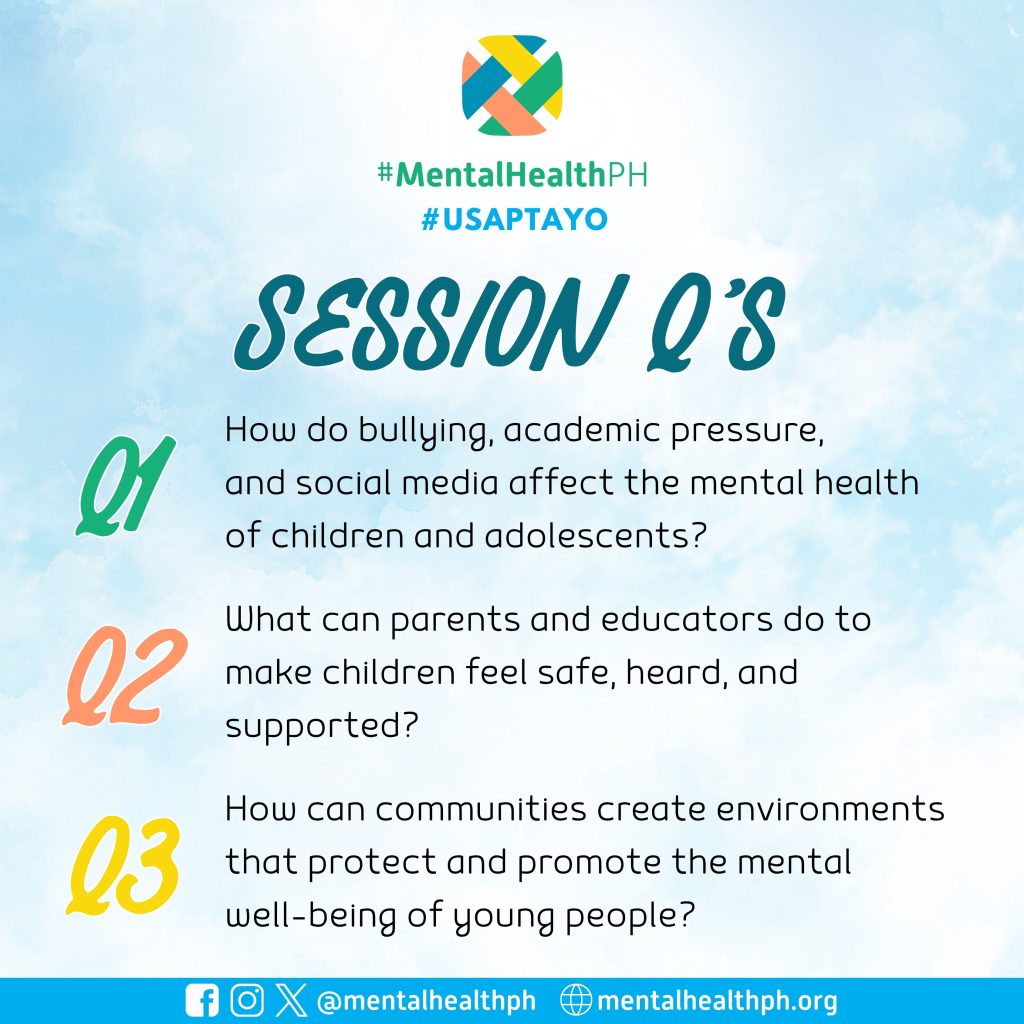
Session Questions:
- How do bullying, academic pressure, and social media affect the mental health of children and adolescents?
- What can parents and educators do to make children feel safe, heard, and supported?
- How can communities create environments that protect and promote the mental well-being of young people?