May 30, 2026
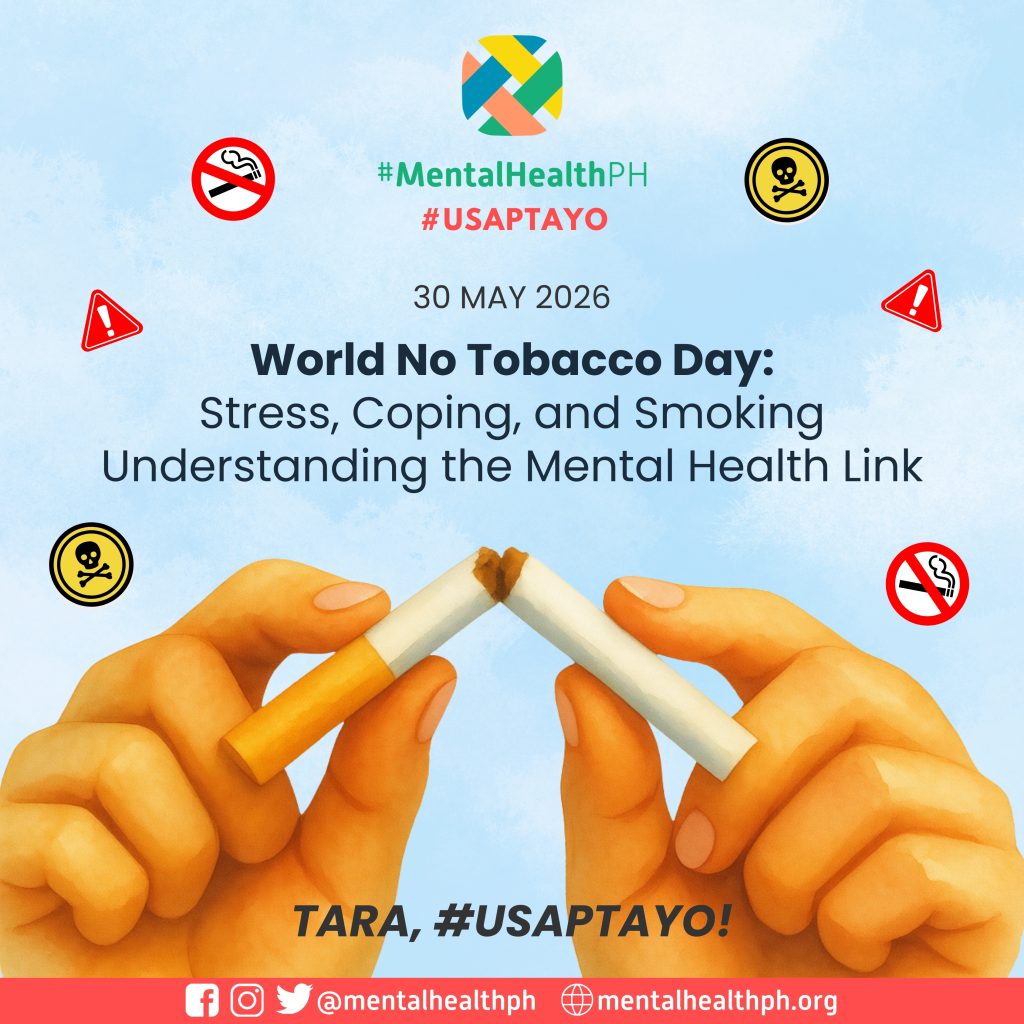
Every year on May 31, World No Tobacco Day highlights the health risks associated with tobacco use and advocates for effective policies to reduce tobacco consumption. While the physical effects of smoking are widely recognized, less attention is often given to the complex relationship between smoking, stress, and mental health. Understanding this connection is essential in promoting healthier coping strategies and supporting overall well-being.
Many people who smoke report using cigarettes as a way to manage stress, anxiety, or difficult emotions. During challenging moments, smoking may appear to provide temporary relief. Nicotine, the addictive substance found in tobacco products, can create short-term feelings of relaxation and pleasure by stimulating the release of dopamine in the brain (World Health Organization [WHO], 2024). However, this relief is often temporary and can contribute to a cycle of dependence.
Research suggests that smoking does not reduce stress in the long term. Instead, nicotine addiction can increase stress levels over time. As nicotine levels in the body decline, individuals may experience withdrawal symptoms such as irritability, restlessness, and anxiety. Smoking then temporarily relieves these symptoms, creating the illusion that cigarettes are helping to manage stress when, in reality, they are sustaining the cycle (National Health Service [NHS], 2023).
The relationship between smoking and mental health is particularly important because individuals experiencing mental health challenges are more likely to use tobacco products. Factors such as depression, anxiety, trauma, and chronic stress can increase vulnerability to smoking initiation and dependence (Centers for Disease Control and Prevention [CDC], 2024). At the same time, smoking may worsen mental health outcomes by affecting sleep quality, physical health, and overall resilience.
For many people, smoking becomes more than a habit—it becomes a coping mechanism. While coping strategies help individuals manage difficult situations, not all coping mechanisms promote long-term well-being. Some coping methods provide temporary comfort but may create additional challenges over time. Recognizing the difference between short-term relief and sustainable coping is an important step toward healthier mental health practices.
Fortunately, healthier alternatives exist. Physical activity, mindfulness practices, creative expression, social support, and professional mental health services have all been shown to help individuals manage stress effectively (American Psychological Association [APA], 2023). Talking to trusted friends, family members, counselors, or support groups can also reduce feelings of isolation and provide practical assistance during difficult times.
Creating environments that support mental health is equally important. Schools, workplaces, and communities can help by promoting stress management, increasing access to mental health resources, and reducing stigma around help-seeking. When individuals feel supported, they are more likely to adopt healthier coping strategies and less likely to rely on harmful behaviors.
This World No Tobacco Day, the conversation should go beyond the physical effects of smoking and include the emotional realities that often drive tobacco use. By understanding the relationship between stress, coping, and smoking, we can encourage compassionate, evidence-based approaches that address both physical and mental well-being.
For #UsapTayo, the message is simple: stress is real, and everyone deserves healthy ways to cope. Quitting smoking is not only about breaking a habit—it is also about finding support, building resilience, and creating pathways toward better mental health.
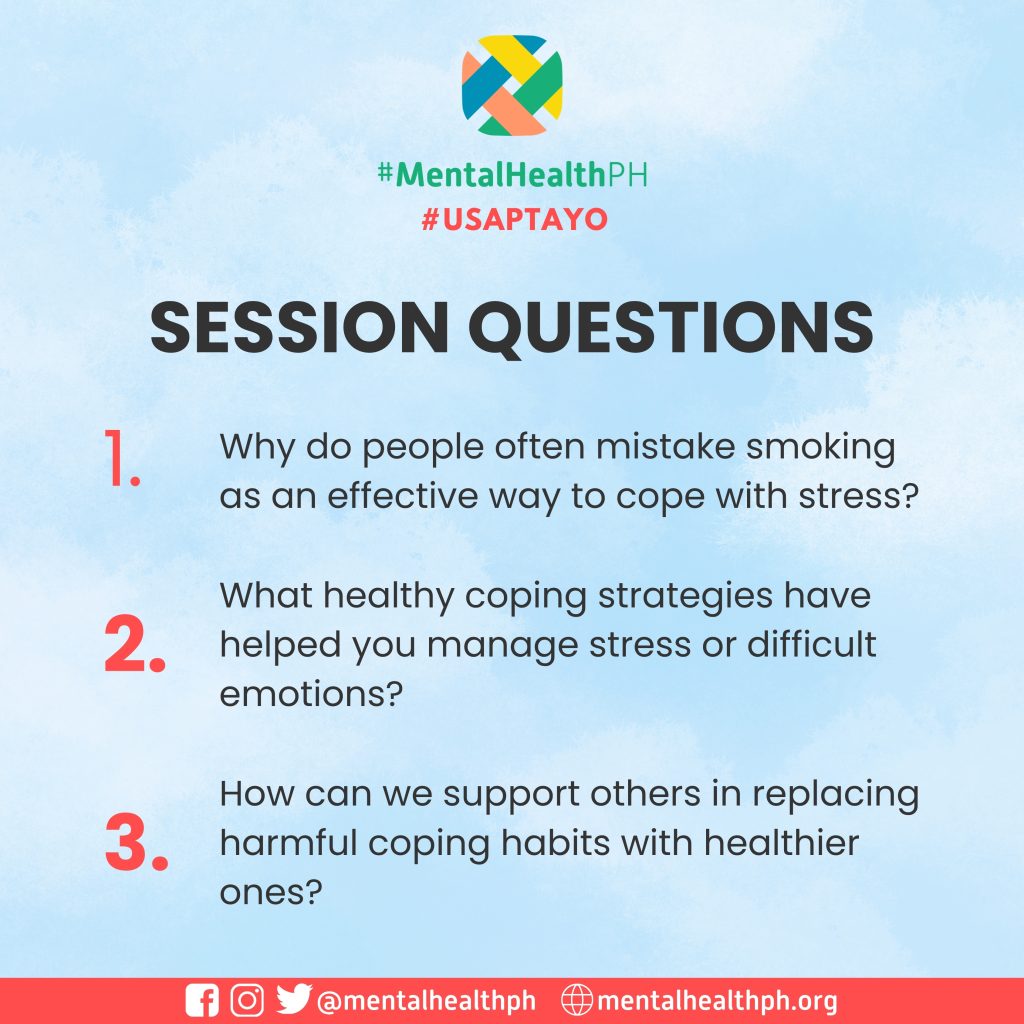
Session Questions
- Why do people often mistake smoking as an effective way to cope with stress?
- What healthy coping strategies have helped you manage stress or difficult emotions?
- How can we support others in replacing harmful coping habits with healthier ones?
References (APA 7th Edition)
American Psychological Association. (2023). Stress effects on the body. https://www.apa.org/topics/stress/body
Centers for Disease Control and Prevention. (2024). Smoking and mental health. https://www.cdc.gov/tobacco
National Health Service. (2023). Smoking and stress. https://www.nhs.uk/live-well/quit-smoking
World Health Organization. (2024). Tobacco. https://www.who.int/news-room/fact-sheets/detail/tobacco