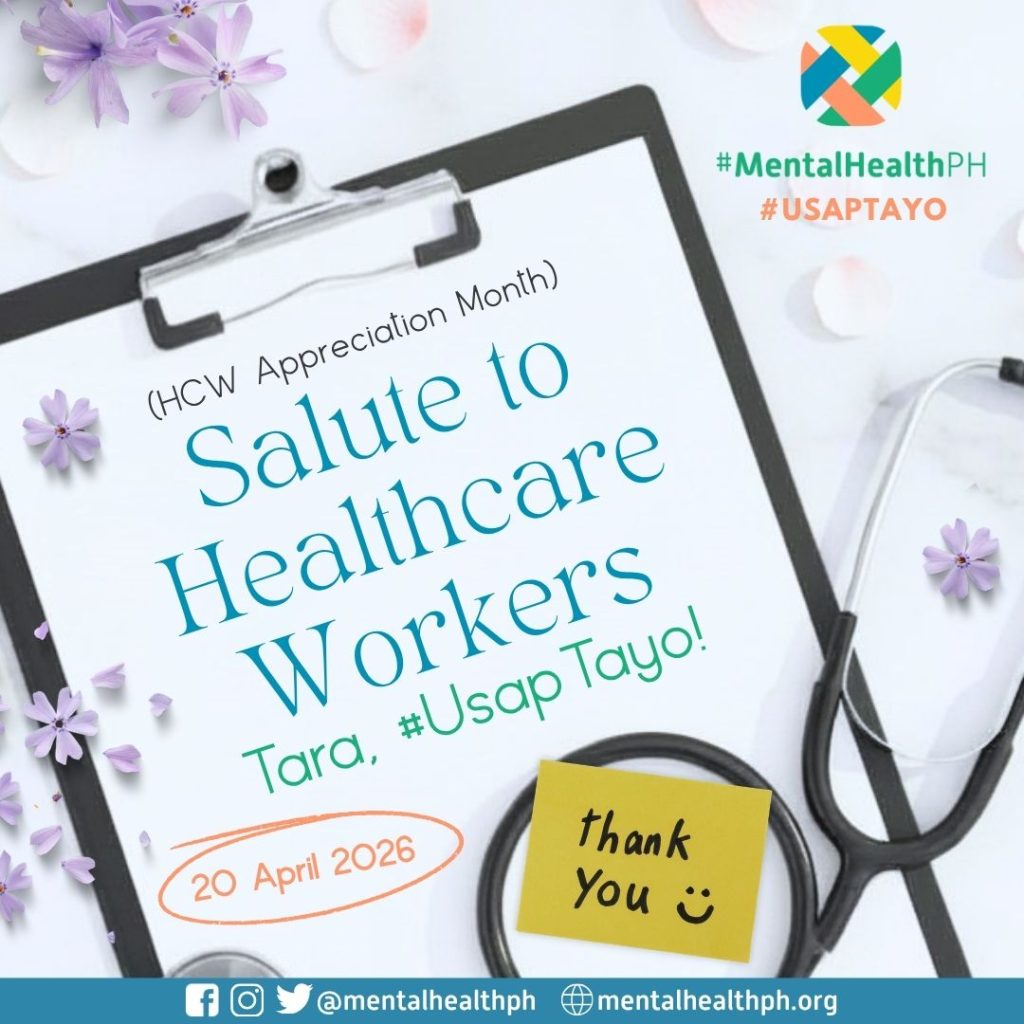
20 April 2026
Writer and Researcher: Julia Mae D. Estiandan
Creatives: Jia Moral
Moderator: Richardson Mojica
Each year from April 1 to 7, the world observes Health Worker Week to honor the unwavering dedication, compassion, and resilience of those on the frontline—the true “pillars” or “heart” of our health systems. With the Department of Health paying special tribute to the committed medical professionals, who stand ready to serve those in need, under the theme “Health Workers are VIPs”: Valued, Invested in, and Protected, this article joins the call to protect the healthcare workers by prioritizing their mental health and overall well-being, and by emphasizing a vital commitment to safeguarding those who safeguard society.
Why The ‘World Health Worker Week’ Matter
Healthcare workers—whether doctors, nurses, midwives, pharmacists, and beyond—form the core of every functioning health system who makes health care possible every day. Those who show up every day to care for patients, save lives, prevent disease, educate communities, and to guide individuals through the toughest times. Beyond the delivery of treatment, these people play a vital role in promoting public health, strengthening communities, and contributing to the stability of nations. Indeed, these medical professionals serve as the backbone of resilient health systems.
Across cities, rural towns, and remote areas, healthcare workers remain on the frontlines, ensuring that care is available to people no matter their status or circumstance in life. In times of crisis, they continue to stand as sources of hope and reassurance, providing first aid, treatment, recovery support, and compassion when it is needed most. Their work goes beyond medical service, helping to build trust between communities and the health systems.
Although often regarded as heroes who don’t wear capes, healthcare workers are also human beings who face fatigue, pressure, and sacrifice in the course of their work. Devoting their time, energy, and care to others, often as a significant personal cost. For this reason, strong health systems must also acknowledge the importance of supporting and protecting those who sustain them.
This answers why the World Health Worker Week serves as a meaningful reminder to recognize the selfless dedication, unwavering courage, and service of healthcare workers. A reminder to invest in them and support our healthcare workers—not only through appreciation, but through stronger support, better resources, and improved conditions that would enable them to continue delivering quality care for all.
The Challenges Among Healthcare Workers
The demanding workload, extended shifts, fast-paced environment, lack of physical and psychological safety, and inadequate compensation experienced by healthcare professionals all contribute to elevated levels of stress. Burnout, work-related stress, depression, anxiety disorders, and sleep disturbances are among the most common psychological concerns affecting medical professionals, and these can negatively influence their professionalism, the quality of care they provide, their efficiency, and their overall quality of life. With this in mind, it is essential to identify and address these work-related risk factors in order to protect the mental health and well-being of those who devote their lives to protecting the people and society.
Standing by Those Who Care for Us
Aside from serving as a reminder to recognize the invaluable roles of healthcare workers, World Health Worker Week also calls on everyone to take part in acknowledging and supporting these dedicated individuals. Whether one works in the healthcare field or not, there are simple yet meaningful ways to contribute:
- A simple gesture of gratitude by saying “thank you” can go a long way in showing appreciation for healthcare workers.
- Supporting protective policies helps ensure their mental health, safety, reasonable work hours, and fair compensation.
- Encouraging peer support programs to help strengthen their well-being.
- Simply by taking care of one’s health, to help ease the burden on healthcare systems.
Session Questions:
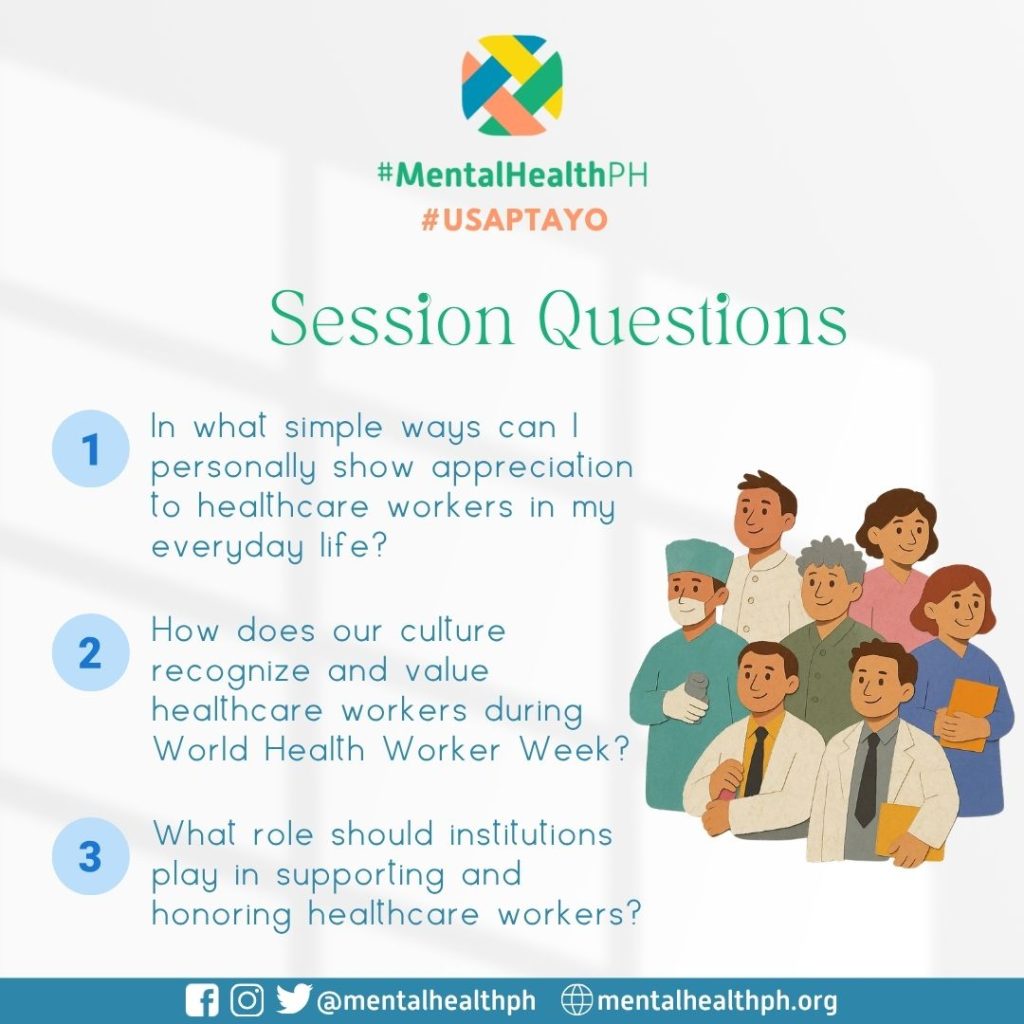
- In what simple ways can I personally show appreciation to healthcare workers in my everyday life?
- How does our culture recognize and value healthcare workers during World Health Worker Week?
- What role should institutions play in supporting and honoring healthcare workers?